






Before You Buy: What Defines True Quality in Gold and Diamond Jewellery
Gold jewellery in India is not a casual purchase. It marks weddings, anniversaries, milestones, and generational transitions. Yet while buyers compare designs and prices, fewer examine the technical foundations that determine true quality.
At Shubhamkriti Jewels, product education is central to our philosophy. Since 1999, our commitment has been built on purity, certification, and craftsmanship — ensuring every piece carries both emotional and structural value.
This guide explains what defines high-quality gold and diamond jewellery, and how informed buying protects your investment.
Understanding Gold Purity: What Karat Really Means
Gold purity is measured in karats (K), which indicates the percentage of pure gold in the alloy.
- 24K – 99.9% pure gold; soft and unsuitable for intricate, daily-wear jewellery
- 22K – 91.6% gold; widely used in traditional Indian pieces
- 18K – 75% gold; stronger, ideal for studded jewellery
- 14K – 58.5% gold; highly durable and practical for everyday wear
Pure gold is naturally soft. To enhance strength and wearability, it is blended with metals such as copper, silver, or zinc. The correct alloy balance ensures structural integrity without compromising beauty.
For contemporary lifestyles, durability often matters as much as purity. Selecting the appropriate karat depends on how frequently the piece will be worn.
BIS Hallmarking: The Foundation of Trust


In India, gold purity is regulated by the Bureau of Indian Standards (BIS).
A BIS hallmarked piece includes:
- The BIS logo
- Purity grade (for example, 916 for 22K)
- Assaying centre identification mark
- Jeweller’s unique identification code
Hallmarking protects customers from under-karating and ensures that the gold content matches what is invoiced.
At Shubhamkriti Jewels, hallmarking is not optional — it is mandatory. Purity is verified, documented, and transparently communicated.
Diamond Certification: Why Documentation Matters


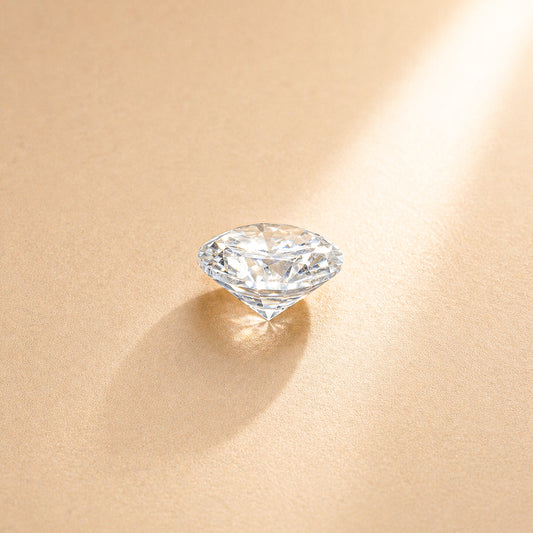
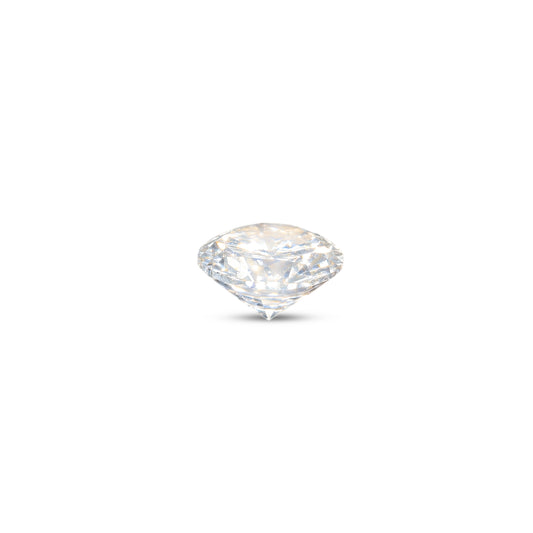
Diamonds are evaluated using the globally recognized 4Cs:
- Cut
- Color
- Clarity
- Carat
Reputed institutions such as the Gemological Institute of America (GIA) establish strict grading standards to ensure transparency and accuracy.
Certification provides:
- Verified quality assessment
- Authenticity confirmation
- Clear valuation standards
- Buyer confidence
Without certification, diamond quality is based solely on seller claims. For serious buyers, documentation is non-negotiable.
Craftsmanship: The Technical Side of Beauty
A well-designed piece is only as strong as its construction.
Quality craftsmanship includes:
- Symmetrical stone setting
- Secure prongs and bezels
- Even surface finishing
- Balanced weight distribution
- Durable clasps and hinges
Structural weaknesses may not be visible immediately but reveal themselves over time through loose stones, bent frames, or worn settings.
At Shubhamkriti Jewels, each piece undergoes quality inspection before reaching the customer. Durability is engineered into the design — not left to chance.
Pricing Transparency: Understanding the Breakdown
Gold jewellery pricing typically consists of:
- Metal value (based on the daily gold rate)
- Making charges
- Stone cost (if applicable)
- GST
A transparent invoice should clearly state:
- Net gold weight
- Purity level
- Making charge percentage
- Stone specifications
Clarity in billing prevents overpricing and strengthens long-term trust between brand and buyer.
Choosing the Right Gold for Daily Wear
Modern lifestyles expose jewellery to:
- Continuous friction
- Sweat and moisture
- Environmental pollutants
- Accidental impact
For daily wear, lower karat alloys such as 14K or 18K often perform better due to higher tensile strength. They resist bending and deformation more effectively than higher-purity gold.
Understanding your usage pattern is as important as selecting your design.
Custom Jewellery: Where Precision Meets Personalization
Beyond ready-to-wear collections, Shubhamkriti Jewels offers custom design and redesign services.
Custom jewellery requires:
- Accurate measurement and fitting
- Structural feasibility evaluation
- Proper stone compatibility
- Long-term wear testing
Redesigning heirloom gold, for example, demands careful melting, alloy recalibration, and structural reinforcement to maintain integrity.
Customization is not merely aesthetic — it is a technical process that demands precision.
Common Mistakes Buyers Should Avoid
Even experienced jewellery buyers sometimes overlook essential checks:
- Purchasing non-hallmarked gold
- Ignoring diamond certification
- Selecting high-purity gold for heavy daily wear
- Overlooking clasp quality
- Not reviewing exchange or buyback policies
Product education minimizes these risks and promotes informed decision-making.
Evaluating Jewellery Before You Buy
Before finalizing a purchase, consider asking:
- Is this BIS hallmarked?
- What is the exact gold purity?
- Are diamonds certified?
- What is the total gold weight?
- How are making charges calculated?
- What resizing or servicing options are available?
These questions shift the purchase from emotional impulse to informed investment.
The Responsibility of a Jewellery Brand
Fine jewellery holds financial, cultural, and emotional value. A responsible brand must ensure:
- Accurate metal disclosure
- Transparent pricing
- Certification authenticity
- Consistent quality standards
Established in 1999, Shubhamkriti Jewels was founded on the principle of purity and transparent dealings. That foundation continues to define our approach today.
Education empowers buyers. Transparency protects them.
Final Word
Quality in jewellery is not defined by appearance alone. It is defined by measurable purity, certified gemstones, structural integrity, and ethical transparency.
When these standards are clearly communicated, trust follows naturally.
At Shubhamkriti Jewels, our commitment extends beyond selling jewellery — it includes guiding customers toward informed, confident decisions that hold lasting value.
Tags: